
English ![]()

Tel: +86-13732621090
Email:yewu001@yushengdz.com
4F, No.68, Huian Road, Xukou Town, Wuzhong District, Suzhou, Jiangsu, China, 215105
Views: 0 Author: Site Editor Publish Time: 2025-06-05 Origin: Site
In the ever-evolving landscape of electrical engineering and electronics, insulation plays a pivotal role in ensuring the safety, efficiency, and longevity of components. One such advancement in this domain is the development of Triple Insulated Wire. This specialized wire, characterized by its three distinct insulation layers, has revolutionized how engineers approach design challenges in transformers, inductors, and various high-frequency applications. Understanding the nuances of triple insulated wire is essential for professionals aiming to leverage its benefits in modern electrical systems.
The quest for better insulation materials has been a constant in the field of electrical engineering. Traditional magnet wires, often coated with a single layer of enamel, served well in low to moderate voltage applications. However, with the advent of high-frequency devices and compact power systems, the limitations of single-layer insulation became apparent. Issues such as increased heat generation, dielectric breakdown, and safety concerns prompted the development of enhanced insulation solutions.
Conventional magnet wires, while effective in certain contexts, often fall short in high-performance environments. The single enamel coating provides minimal protection against high voltages and temperatures. Additionally, the risk of insulation failure increases in tightly wound coils or when subjected to mechanical stresses. It becomes evident that a more robust insulation method is necessary for advanced applications.
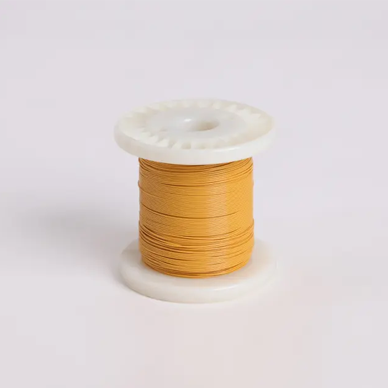
Triple insulated wire (TIW) addresses the challenges posed by demanding electrical environments. By incorporating three separate insulation layers around the conductor, TIW offers superior electrical isolation, mechanical strength, and thermal resistance. This design not only enhances safety but also allows for more compact and efficient component designs.
At its core, TIW consists of a conductor, typically copper, enveloped by three layers of insulating material. Each layer serves as a barrier against electrical leakage, ensuring that even if one layer fails, the subsequent layers maintain insulation integrity. The materials used for these layers vary based on the required thermal and electrical properties, including PET, PA, ETFE, FEP, PFA, PI, PPS, and PEEK.
Triple insulated wire offers several benefits:
Enhanced Safety: Multiple insulation layers reduce the risk of electrical shorts and failures.
Space Efficiency: Allows for compact winding designs without compromising insulation.
Thermal Performance: Improved heat resistance caters to high-temperature applications.
Regulatory Compliance: Meets stringent safety standards like UL60950 and IEC/EN62368.
The unique properties of triple insulated wire make it ideal for various applications where safety, efficiency, and size are critical factors.
In switching power supplies, transformers require insulation that can handle high frequencies and voltages. TIW enables the design of smaller transformers without sacrificing performance or safety. Its use eliminates the need for additional insulation tape or barriers, simplifying the manufacturing process and reducing component size.
High-frequency inductors benefit from the reduced losses and improved thermal management provided by triple insulated wire. The wire's insulation minimizes eddy current losses and allows inductors to operate efficiently at higher frequencies, which is crucial for modern electronic circuits requiring precise filtering and energy storage.
In advanced motor designs, especially those used in aerospace or automotive industries, space and reliability are paramount. TIW offers the necessary insulation to prevent short circuits in densely packed motor windings, enhancing performance and extending motor lifespan.
Various types of triple insulated wire are available to meet specific application requirements, each distinguished by its insulation materials and conductor types.
Polyester insulation provides a balance between cost and performance, suitable for general-purpose applications. It offers good electrical properties and can withstand moderate temperatures, making it a versatile choice for many electrical components.
Teflon, or PTFE, insulation is known for its excellent thermal stability and chemical resistance. Wires insulated with Teflon are ideal for high-temperature environments and applications requiring superior dielectric properties.
This type utilizes insulating tapes wound around the conductor, providing a layered barrier against electrical leakage. Taped insulated wires are customizable, allowing for different materials and thicknesses to meet specific voltage and thermal requirements.
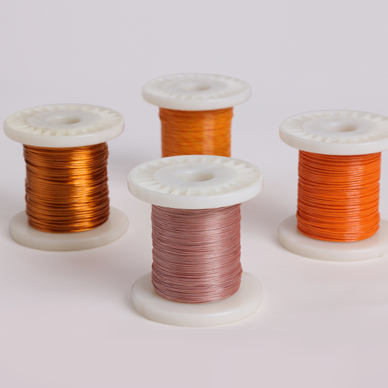
Understanding the electrical and thermal characteristics of triple insulated wire is crucial for selecting the right type for an application.
TIW is available in various temperature classes:
Class B (130°C): Suitable for standard applications with moderate thermal demands.
Class F (155°C): Ideal for environments with higher operating temperatures.
Class H (180°C): Designed for high-temperature applications where thermal stability is critical.
Triple insulated wires can withstand significant voltages, typically supporting up to 6kV. Customizations are available for applications requiring even higher voltage tolerances, ensuring safety and compliance with industry standards.
Producing high-quality triple insulated wire involves meticulous manufacturing processes to ensure consistency and reliability.
Selecting the appropriate insulation materials is vital. Factors such as thermal requirements, electrical properties, mechanical strength, and environmental resistance guide the choice of materials. Manufacturers offer a range of options to meet diverse application needs.
Rigorous testing protocols are implemented to verify the insulation integrity, thermal performance, and voltage withstand capabilities of TIW. Standards like UL1446 and IEC/EN60065 are adhered to, ensuring that the wires meet international safety and performance criteria.
Compliance with safety regulations is non-negotiable in the electrical industry. Triple insulated wire manufacturers must ensure their products meet or exceed the requirements set by governing bodies.
Standards such as UL2353, UL60950, and IEC/EN62368 define the safety and performance benchmarks for insulated wires. Compliance guarantees that the wires are suitable for use in consumer electronics, industrial equipment, and other critical applications.
Manufacturers often obtain certifications like VDE, CQC, and IATF16949, demonstrating their commitment to quality management and product excellence. These certifications provide assurance to clients regarding the reliability and safety of the wires.
Real-world implementations of triple insulated wire highlight its effectiveness and versatility in various sectors.
With the rise of electric and hybrid vehicles, the demand for components that can handle high voltages and temperatures has increased. TIW is used in onboard chargers and power converters, where space is limited, and performance is critical.
In telecommunications equipment, TIW contributes to the reliability of power supplies and signal processing units. Its superior insulation ensures uninterrupted service and reduces maintenance costs.
Ongoing research and development efforts are enhancing the capabilities of triple insulated wires.
New insulation materials are being explored to provide even higher thermal stability and electrical insulation. Polymers like PEEK offer exceptional performance in extreme conditions, expanding the applicability of TIW in specialized fields.
Manufacturers are offering bespoke wire configurations to meet specific client requirements. This includes variations in conductor materials, insulation thickness, and wire shapes, such as flat wires for unique winding applications.
Triple insulated wire represents a significant advancement in electrical wiring technology. Its enhanced safety features, thermal performance, and adaptability make it a cornerstone in modern electrical engineering. As industries continue to demand more efficient and compact electrical components, the role of TIW is set to become even more prominent.
By understanding its properties and applications, engineers and designers can make informed decisions, leading to the development of superior products and systems. The commitment to innovation and quality in the manufacture of triple insulated wire ensures that it will meet the challenges of tomorrow's technologies.
Triple Insulated Wire offers enhanced electrical insulation due to its three-layer insulation system. This design provides superior safety, reduces the risk of electrical failures, and allows for more compact and efficient winding designs compared to traditional magnet wires.
Yes, manufacturers offer customization options for Triple Insulated Wire, including different insulation materials like PET, ETFE, and PEEK, as well as various conductor types such as tinned copper and enameled wires. These options allow for tailored solutions to meet specific thermal, electrical, and mechanical requirements.
Triple Insulated Wire is widely used in industries that require high safety and efficiency in electrical components. This includes the automotive industry for electric vehicles, consumer electronics, telecommunications equipment, and industrial power supplies.
By providing superior insulation, Triple Insulated Wire allows transformers to be designed with tighter winding spaces without the risk of electrical shorts. This results in reduced heat generation, improved performance, and smaller transformer sizes, enhancing overall efficiency.
Triple Insulated Wire complies with several international safety standards, including UL2353, UL60950, UL1446, IEC/EN62368, and IEC/EN60065. Compliance ensures the wire meets rigorous safety and performance criteria required for commercial and industrial applications.
Triple Insulated Wire is available in different temperature classes to suit various operating environments. These include Class B (130°C), Class F (155°C), and Class H (180°C), allowing selection based on the thermal demands of the application.
Detailed specifications and datasheets for Triple Insulated Wire can be found through manufacturers like Suzhou Yusheng Electronic Co., Ltd. Their offerings cover a wide range of insulated wires tailored to various industry needs.


