
English ![]()

Tel: +86-13732621090
Email:yewu001@yushengdz.com
4F, No.68, Huian Road, Xukou Town, Wuzhong District, Suzhou, Jiangsu, China, 215105
Views: 0 Author: Site Editor Publish Time: 2025-06-06 Origin: Site
In the intricate world of electrical engineering and materials science, the choice of wire insulation is a critical factor that significantly impacts the performance, safety, and longevity of wiring systems. Oxygen-Free Copper (OFC) wires are renowned for their superior conductivity and minimal signal loss, making them a preferred choice in high-end audio, telecommunications, and industrial applications. However, the efficacy of OFC wires is profoundly influenced by the insulation material enveloping the conductor. This comprehensive analysis delves into the various insulation options available for OFC wires, evaluating their properties, advantages, and limitations to determine the optimal insulation choice. By exploring the interplay between OFC wires and insulation materials, we aim to provide valuable insights for professionals seeking to enhance their systems with insulated copper wire solutions.
Oxygen-Free Copper wires are manufactured through a specialized refining process that reduces the oxygen content to negligible levels, typically below 0.001%. This process enhances the copper's conductivity and resistance to oxidation, leading to superior electrical performance and durability. The purity of OFC wires minimizes grain boundary impurities, resulting in fewer signal disruptions and a higher-quality transmission of electrical signals. They are extensively used in applications where signal integrity is paramount, such as in high-fidelity audio systems, sensitive electronic equipment, and precision industrial controls.
OFC wires exhibit several essential properties that distinguish them from standard copper wires:
**High Conductivity**: The low oxygen content reduces resistivity, allowing for efficient current flow with minimal energy loss.
**Enhanced Ductility**: OFC wires are more malleable, facilitating easier installation and manipulation without compromising structural integrity.
**Corrosion Resistance**: They are less susceptible to oxidation, extending the lifespan of the wire even in challenging environmental conditions.
**Superior Signal Integrity**: The purity of the copper ensures that signals are transmitted with high fidelity, reducing distortion and interference.
These attributes make OFC wires an ideal choice for applications where performance cannot be compromised. However, the full potential of OFC wires can only be realized when paired with appropriate insulation materials.
Wire insulation serves multiple critical functions that extend beyond merely covering the conductor. It acts as a protective barrier against physical damage, environmental factors, and electrical hazards. The insulation material profoundly affects the wire's overall performance, safety, and regulatory compliance.
The primary functions of wire insulation include:
**Electrical Isolation**: Prevents unintended current flow between conductors and to the surroundings, ensuring safety and system integrity.
**Mechanical Protection**: Shields the conductor from abrasion, impacts, and flexing stresses that could lead to breaks or shorts.
**Environmental Resistance**: Protects against moisture, chemicals, radiation, and temperature extremes that could degrade the conductor or insulation over time.
**Flame Retardance**: Reduces the risk of fire propagation in the event of overheating or electrical faults.
The selection of insulation material must consider these functions to ensure that the insulated wire performs reliably under the specific conditions of its application.
A variety of insulation materials are available, each with distinct electrical, mechanical, and environmental properties. The most commonly used insulation materials for OFC wires include Polyvinyl Chloride (PVC), Teflon (PTFE), Cross-linked Polyethylene (XLPE), Silicone Rubber, and Ethylene Propylene Rubber (EPR). Understanding the characteristics of these materials is essential for selecting the most suitable option.
PVC is a thermoplastic material widely used due to its affordability and versatility. It offers good insulation resistance and mechanical robustness, making it suitable for a broad spectrum of applications.
**Advantages of PVC Insulation**:
**Cost-Effective**: Low production costs make PVC an economical choice for mass applications.
**Flexible**: Ease of installation due to its flexibility, accommodating tight bends and complex routing.
**Chemical Resistance**: Resistant to acids, alkalis, and various oils, enhancing durability.
**Fire Retardant Additives**: Can be formulated to meet flame retardancy requirements.
**Limitations of PVC Insulation**:
**Temperature Constraints**: Operational temperature typically limited to 105°C, unsuitable for high-temperature environments.
**Toxicity Concerns**: Can release harmful chlorine gas when burned, posing health risks.
**Environmental Impact**: Derived from non-renewable resources and can be challenging to recycle efficiently.
PVC remains a popular choice for general-purpose applications where cost and flexibility are primary considerations.
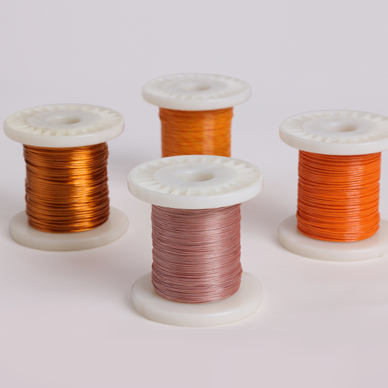
Teflon is a high-performance fluoropolymer known for its exceptional thermal and chemical resistance. It is utilized in applications demanding the utmost reliability under extreme conditions.
**Advantages of Teflon Insulation**:
**Wide Temperature Range**: Operational range from -200°C to +260°C, suitable for extreme environments.
**Chemical Inertness**: Resistant to virtually all chemicals, making it ideal for corrosive environments.
**Electrical Properties**: High dielectric strength and low dissipation factor ensure excellent signal transmission.
**Non-Flammability**: Teflon does not support combustion, enhancing safety.
**Limitations of Teflon Insulation**:
**Cost**: Significantly more expensive than other insulation materials due to complex manufacturing processes.
**Processing Difficulty**: Requires specialized equipment and techniques for extrusion and molding.
**Mechanical Properties**: Less flexible than PVC, potentially complicating installation in tight spaces.
Teflon is often reserved for critical applications where performance justifies the higher cost, such as in aerospace, military, and high-end audio systems.
XLPE is a thermoset material formed by cross-linking polyethylene molecules, enhancing its thermal, mechanical, and chemical properties.
**Advantages of XLPE Insulation**:
**Thermal Stability**: Can operate continuously at 90°C, with short-term exposure up to 250°C.
**Electrical Properties**: High dielectric strength suitable for medium to high voltage applications.
**Moisture Resistance**: Excellent resistance to water treeing, enhancing longevity in damp conditions.
**Mechanical Strength**: Resistant to deformation under load, maintaining structural integrity.
**Limitations of XLPE Insulation**:
**Flexibility**: Less flexible than PVC, which may pose challenges during installation.
**Processing**: Requires precise control during cross-linking to ensure consistent properties.
**Cost**: Moderately more expensive than PVC but less costly than Teflon.
XLPE is commonly used in power distribution and industrial applications where thermal and electrical performance is critical.
Silicone rubber insulation offers flexibility and thermal stability, making it suitable for applications involving frequent flexing and high temperatures.
**Advantages of Silicone Rubber**:
**High Flexibility**: Maintains flexibility over a wide temperature range (-60°C to +200°C).
**Thermal Resistance**: Performs well in sustained high-temperature environments.
**Dielectric Properties**: Good electrical insulation characteristics over a range of frequencies.
**Limitations of Silicone Rubber**:
**Mechanical Strength**: Lower abrasion resistance compared to other materials.
**Cost**: More expensive than PVC and XLPE.
**Chemical Resistance**: Susceptible to swelling in oils and solvents.
Silicone rubber is ideal for applications requiring flexibility and thermal resilience, such as robotics, medical devices, and certain industrial processes.
EPR is a synthetic rubber offering a balance of electrical, thermal, and mechanical properties.
**Advantages of EPR**:
**Electrical Performance**: High dielectric strength suitable for medium voltage applications.
**Thermal Resistance**: Operates effectively up to 90°C, with good thermal aging properties.
**Flexibility**: Retains flexibility at low temperatures.
**Moisture Resistance**: Resistant to water absorption and moisture ingress.
**Limitations of EPR**:
**Mechanical Strength**: Lower abrasion resistance compared to thermoplastics.
**Chemical Resistance**: Vulnerable to certain hydrocarbons and oils.
**Cost**: Generally more expensive than PVC.
EPR is commonly used in power cables and environments where flexibility and moisture resistance are required.
To make an informed decision, it's essential to compare these insulation materials across several critical parameters:
| Property | PVC | Teflon (PTFE) | XLPE | Silicone Rubber | EPR |
|---|---|---|---|---|---|
| Dielectric Strength | Good | Excellent | High | Good | High |
| Thermal Range (°C) | -10 to +105 | -200 to +260 | -40 to +90 | -60 to +200 | -55 to +90 |
| Flexibility | High | Moderate | Moderate | High | High |
| Chemical Resistance | Good | Excellent | Good | Moderate | Moderate |
| Mechanical Strength | Good | High | High | Moderate | Moderate |
| Cost | Low | Very High | Moderate | High | Moderate |
This comparative analysis highlights that no single insulation material is superior in all aspects. The optimal choice depends on prioritizing the properties most critical to the specific application.
To select the most suitable insulation for OFC wires, consider the following factors:
Assess the environmental conditions the wire will encounter. Factors such as temperature extremes, exposure to chemicals or moisture, and physical stresses are crucial. For instance, Teflon is ideal for high-temperature or chemically aggressive environments, while XLPE is suitable for applications requiring improved moisture resistance.
Determine the voltage, current, and frequency characteristics of the application. High-voltage systems may necessitate insulation with superior dielectric strength, such as XLPE or EPR.
Consider the mechanical demands, including flexibility, abrasion resistance, and tensile strength. Applications involving frequent movement or vibration benefit from the flexibility of silicone rubber or PVC.
Ensure that the selected insulation meets industry standards and regulatory requirements for safety, flammability, and environmental impact. Fire safety regulations may necessitate the use of non-flammable or low-smoke insulation materials.
Evaluate the budget for the project. While high-performance materials like Teflon offer exceptional properties, their cost may not be justifiable for all applications. Balancing performance requirements with financial considerations is essential for an optimal solution.
Based on the above analysis, here are some recommendations for selecting insulation materials for OFC wires in various applications:
Audiophile-grade systems demand the highest signal integrity. Teflon-insulated OFC wires are recommended due to their low dielectric constant and minimal signal attenuation. While the cost is higher, the improvement in sound quality justifies the investment for discerning users.
For industrial environments with exposure to heat, moisture, and mechanical stress, XLPE-insulated OFC wires provide reliability and longevity. Their thermal stability and resistance to environmental factors make them suitable for heavy-duty applications.
Automotive applications require insulation that can withstand temperature fluctuations, vibrations, and exposure to oils. Cross-linked materials like XLPE or EPR are appropriate choices, offering durability and performance.
For general consumer electronics, PVC-insulated OFC wires are adequate, balancing cost and performance. They provide sufficient flexibility and insulation properties for low-voltage applications.
Ongoing research in materials science is leading to the development of new insulation materials with enhanced properties. Innovations include:
**Nanocomposite Insulations**: Incorporating nanoparticles to improve thermal conductivity and dielectric strength.
**Eco-Friendly Materials**: Developing biodegradable and halogen-free insulations to reduce environmental impact.
**Self-Healing Insulations**: Materials that can automatically repair minor damages, extending the lifespan of the wire.
These advancements may soon offer new options for wire insulation, enhancing performance while addressing environmental and safety concerns.
Selecting the best insulation for OFC wires is a complex decision that requires balancing electrical performance, environmental conditions, mechanical demands, regulatory requirements, and cost considerations. Each insulation material—PVC, Teflon, XLPE, Silicone Rubber, and EPR—offers unique benefits and limitations. By thoroughly evaluating the specific needs of the application, professionals can choose an insulation material that maximizes the performance and longevity of the wire system. As technology advances, staying informed about new materials and innovations will further enhance the decision-making process. For optimal results in your projects, consider the insights provided and explore options available through reputable suppliers of insulation support wire solutions.
1. How does the insulation material impact the lifespan of OFC insulated wire?
The insulation material significantly affects the wire's durability by protecting it from environmental factors, mechanical stresses, and electrical hazards. Materials with higher resistance to temperature, chemicals, and abrasion—like XLPE or Teflon—can extend the wire's lifespan by preventing degradation and failures.
2. Is there a cost-effective insulation option that doesn't compromise much on performance?
XLPE offers a balance between cost and performance. It provides good thermal and electrical properties at a moderate price, making it suitable for applications where PVC may not suffice, but Teflon's cost is prohibitive.
3. Can I use PVC-insulated OFC wires for high-temperature applications?
PVC is not recommended for high-temperature applications due to its limited thermal range up to 105°C. Using it in environments exceeding this temperature can lead to insulation failure. Alternative materials like XLPE or Teflon are better suited for high-temperature conditions.
4. What are the environmental benefits of using halogen-free insulation materials?
Halogen-free insulation materials reduce the release of toxic gases during combustion, enhancing safety in fire situations. They also minimize environmental pollution during disposal. Materials like XLPE and certain thermoplastic elastomers are halogen-free, contributing to sustainability efforts.
5. How does using insulated electrical wire improve safety in installations?
Insulated electrical wire prevents unintended electrical contacts, reducing the risk of short circuits, electric shocks, and fires. Proper insulation ensures that conductors are isolated, maintaining system integrity and protecting both equipment and personnel.
6. Are there insulation materials suitable for ultra-flexible applications?
Silicone rubber and certain thermoplastic elastomers offer high flexibility, making them suitable for applications requiring frequent movement or bending. These materials maintain flexibility over a wide temperature range, ensuring performance in dynamic environments.
7. What considerations are there for recycling insulated copper wire scrap?
When recycling insulated copper wire scrap, the insulation material must be separated from the copper. PVC insulation can be challenging due to chlorine content, while Teflon's chemical stability complicates recycling. Selecting insulation materials that are easier to process can enhance recyclability and potentially increase the insulated copper wire scrap price.


