
English ![]()

Tel: +86-13732621090
Email:yewu001@yushengdz.com
4F, No.68, Huian Road, Xukou Town, Wuzhong District, Suzhou, Jiangsu, China, 215105
Views: 0 Author: Site Editor Publish Time: 2025-06-08 Origin: Site
Insulating wires is an essential task for ensuring electrical safety and preventing short circuits. While hot glue is commonly used for its adhesive and insulating properties, there are many situations where alternative methods may be necessary. This could be because the glue is unavailable, unsuitable for a specific application, or simply because it's preferable to use a more traditional or different technique. For electricians, DIY enthusiasts, and hobbyists, knowing how to insulate wires without relying on hot glue is beneficial. This article will explore several effective methods for wire insulation, ensuring you can create safe and reliable connections with readily available materials.
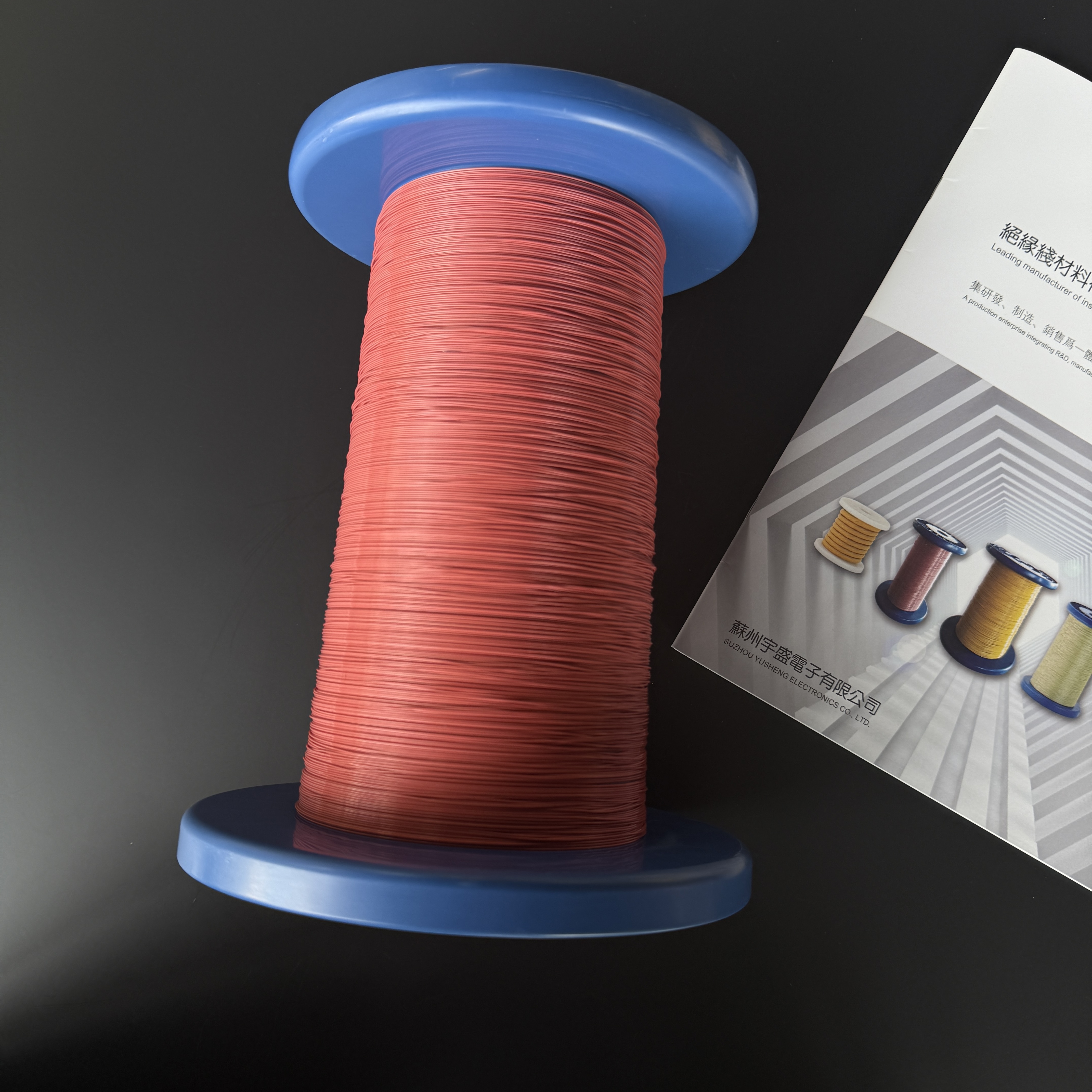
Before diving into the steps, it's crucial to understand some basic terms related to wire insulation:
Insulation: A non-conductive material that covers wires, preventing electrical currents from escaping and interacting with other conductive materials.
Short Circuit: A fault in an electrical circuit where electricity can flow along an unintended path, often resulting in excessive current flow.
Heat Shrink Tubing: A plastic tube that contracts when heated, creating a tight layer of insulation around wires.
The first step in insulating wires without hot glue involves gathering the following materials:
Electrical tape
Heat shrink tubing
Wire strippers
Scissors or a utility knife
A heat source (such as a heat gun or a lighter)
Using wire strippers, carefully remove about an inch of insulation from each end of the wire you intend to connect or insulate. Ensure you do not nick or damage the wire strands in this process.
Select a piece of heat shrink tubing that is slightly larger in diameter than the wire.
Cut a piece of heat shrink tubing to a length that covers the exposed wire completely, with extra length on either side to ensure full coverage.
Slide the heat shrink tubing over one end of the wire before making your connection.
If you are connecting two wires, twist the exposed ends together securely. Ensure there is a solid electrical connection between them. You can also use wire nuts for additional security if desired.
Slide the heat shrink tubing over the exposed connection.
Use a heat gun or a lighter to shrink the tubing snugly around the wires. Heat evenly around the tubing without holding the heat source too close to avoid burning the material.
For additional insulation, wrap the connection with electrical tape. Begin a few centimeters away from the connection for extra stability, wrapping tightly and overlapping each layer slightly. Ensure that the tape extends beyond the exposed parts of the wire.
Choose the Right Size: Always select heat shrink tubing with a diameter that matches the wire thickness appropriately for effective insulation.
Avoid Excessive Heat: When using a heat source, apply it evenly and maintain a safe distance to prevent damage to the wire insulation.
Regular Inspection: Periodically check your connections for signs of wear or damage, particularly in high-use or high-vibration environments.
Insulating wires without hot glue is both feasible and straightforward using materials such as heat shrink tubing and electrical tape. These methods provide reliable insulation for a range of electrical applications. Ensure you follow the proper steps for preparation, connection, and insulation to maintain electrical safety and integrity. By applying these techniques, you can ensure safe and efficient electrical work, regardless of the circumstances, and contribute to the reliability of any project you undertake.


